Flood Damage Restoration in Post Falls: A Step-by-Step Recovery Guide
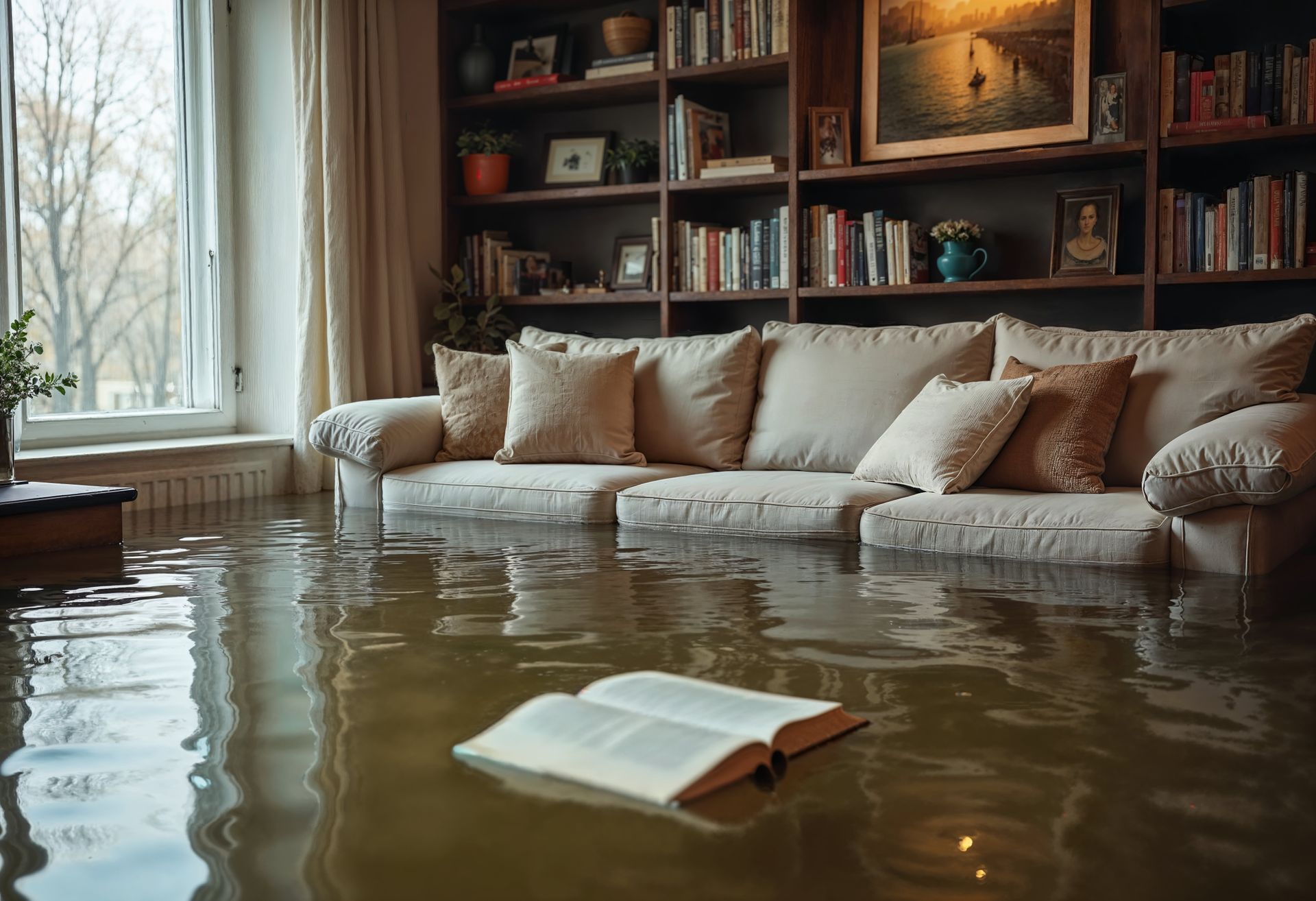
Few things are as devastating to a home as unexpected flooding. Whether from a burst pipe, heavy rain, or overflowing appliances, water damage can occur rapidly and cause long-term problems if not addressed promptly. If you're dealing with this in Post Falls, it’s normal to feel overwhelmed, but you’re not alone.
Having a trusted partner like VacTech Carpet & Upholstery Cleaning Services can make all the difference in turning a disaster into a manageable recovery. In this guide, we’ll walk you through the full process of
flood damage restoration in Post Falls, giving you the confidence to take action.
key takeaways
- Fast action after flooding reduces long-term damage and mold growth.
- Safety should always come first before entering or cleaning the affected area.
- Proper drying and dehumidification are critical to full restoration.
- Not all materials can be saved; some must be replaced for safety.
- Professional help ensures hidden damage is addressed correctly.
Why Acting Fast Matters After Flooding
Time is everything when it comes to water damage. The longer water sits, the more damage it causes. Floors can warp, drywall can crumble, and mold can begin to grow in just 24 to 48 hours. Not only does this make cleanup harder, but it also increases repair costs significantly. Acting quickly limits the damage and gives you a better chance of saving more of your home.
Step 1: Safety First
Before jumping into cleanup, make sure the space is safe. Flooded areas can have hidden dangers like electrical hazards, contaminated water, and weakened structures. If it’s safe to do so, turn off electricity and gas to the affected areas. Always wear protective gear such as rubber boots, gloves, and masks. If you're not sure about the safety of entering your home, call a professional.
Step 2: Document the Damage
Before touching anything, take photos and videos of the affected areas. This step is crucial for insurance claims. Capture images of damaged flooring, walls, furniture, and belongings. Include close-ups and wide shots to provide context. Keep all receipts for emergency services or supplies you purchase during this process.
Step 3: Water Removal
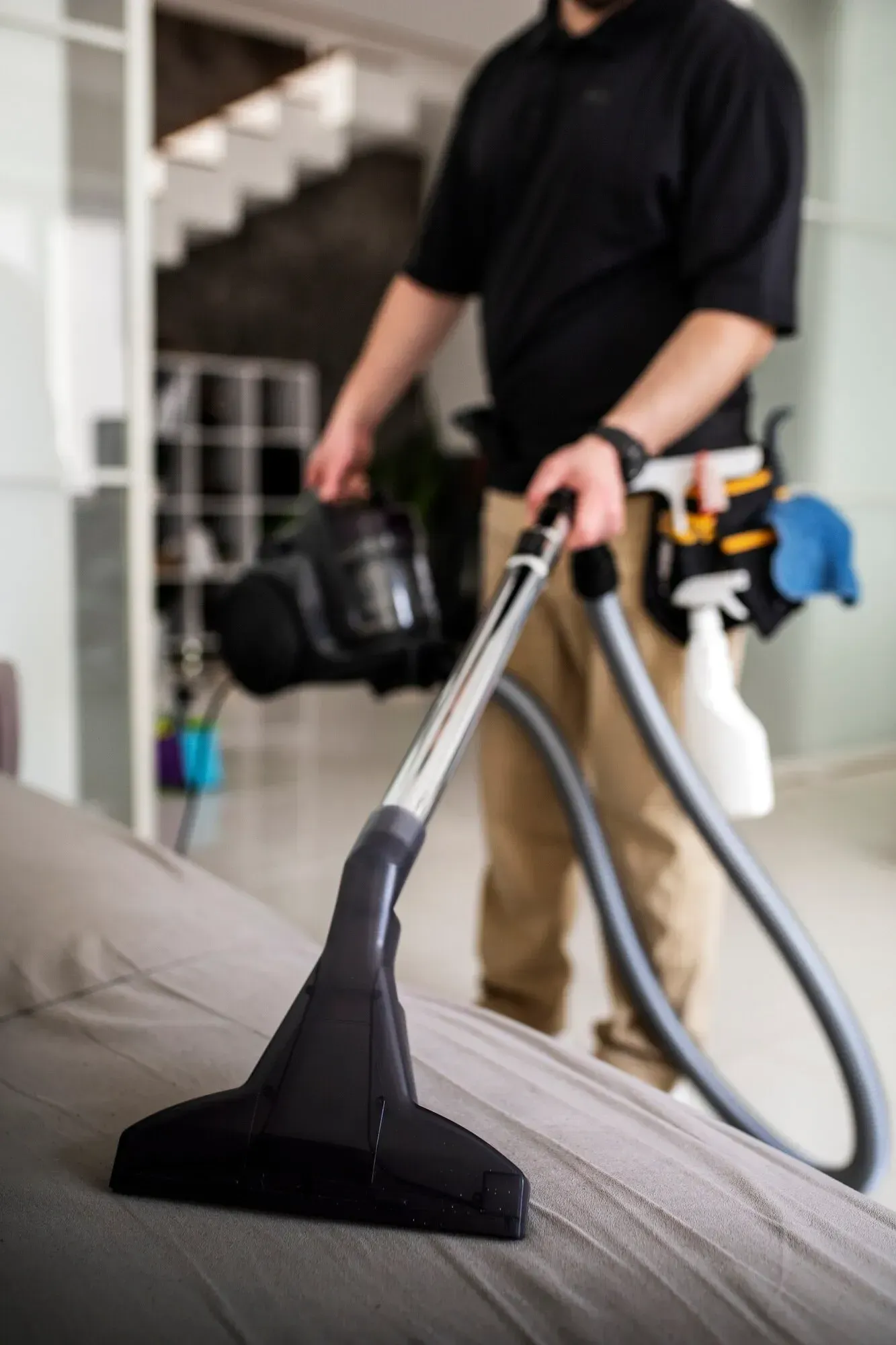
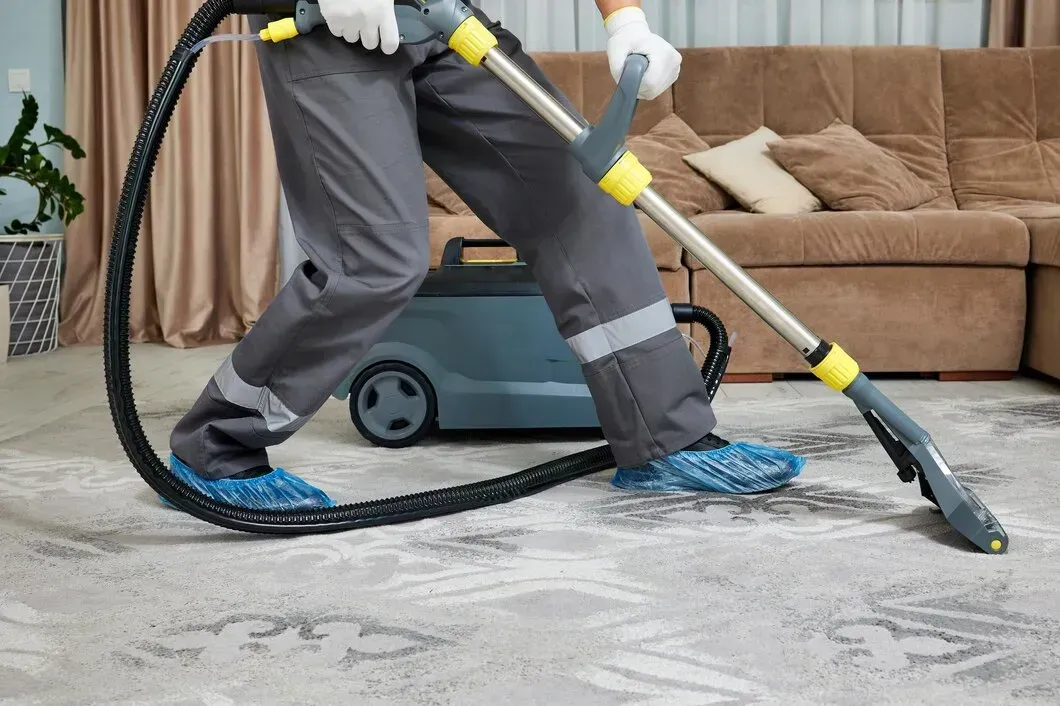
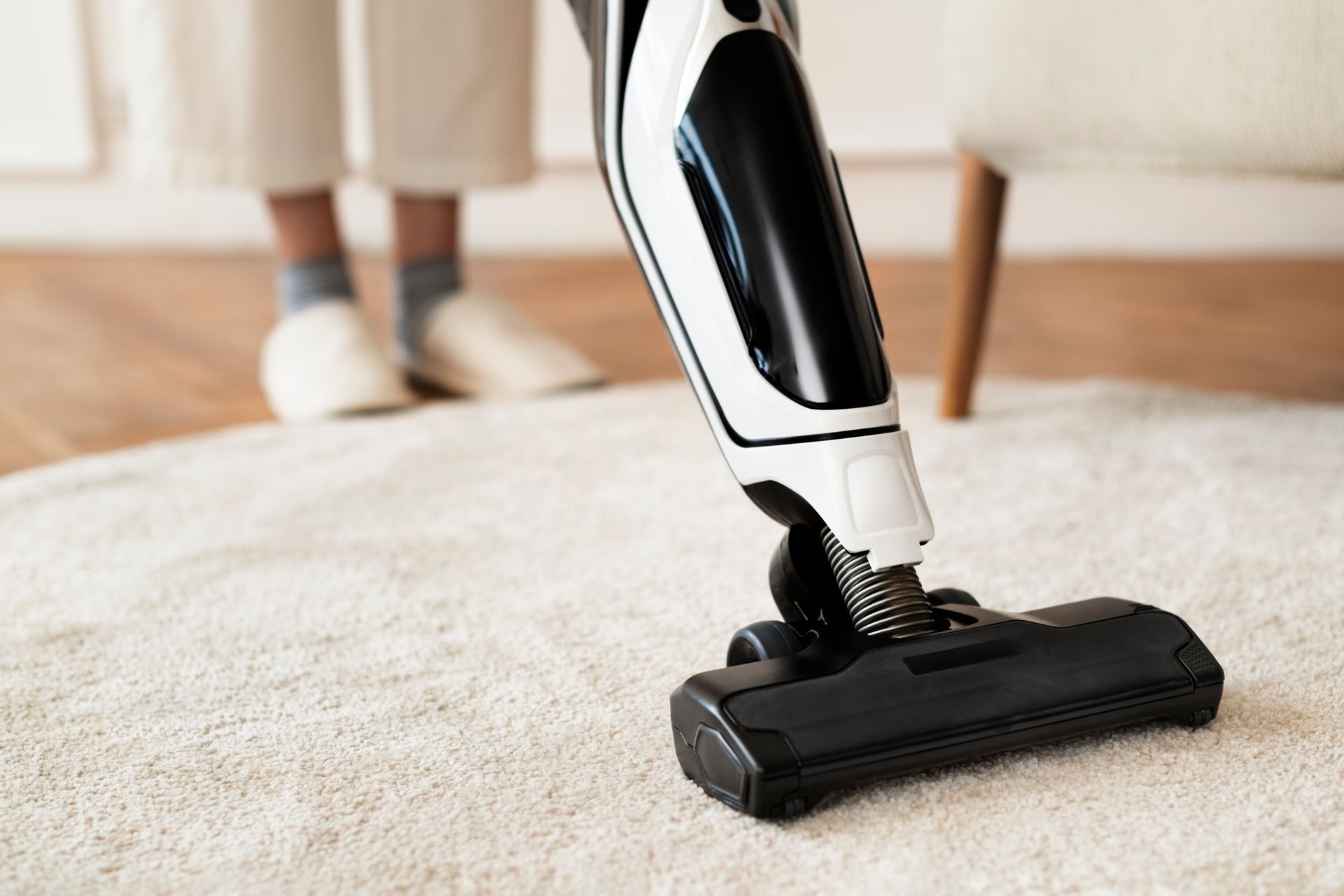
Now it’s time to get rid of the standing water. Use buckets, pumps, or wet/dry vacuums to remove as much water as possible. Open windows and doors to increase air circulation. This first round of drying helps prevent mold and additional structural damage. Professional teams like VacTech use industrial-grade extraction equipment to make this process faster and more effective.
Step 4: Drying and Dehumidifying
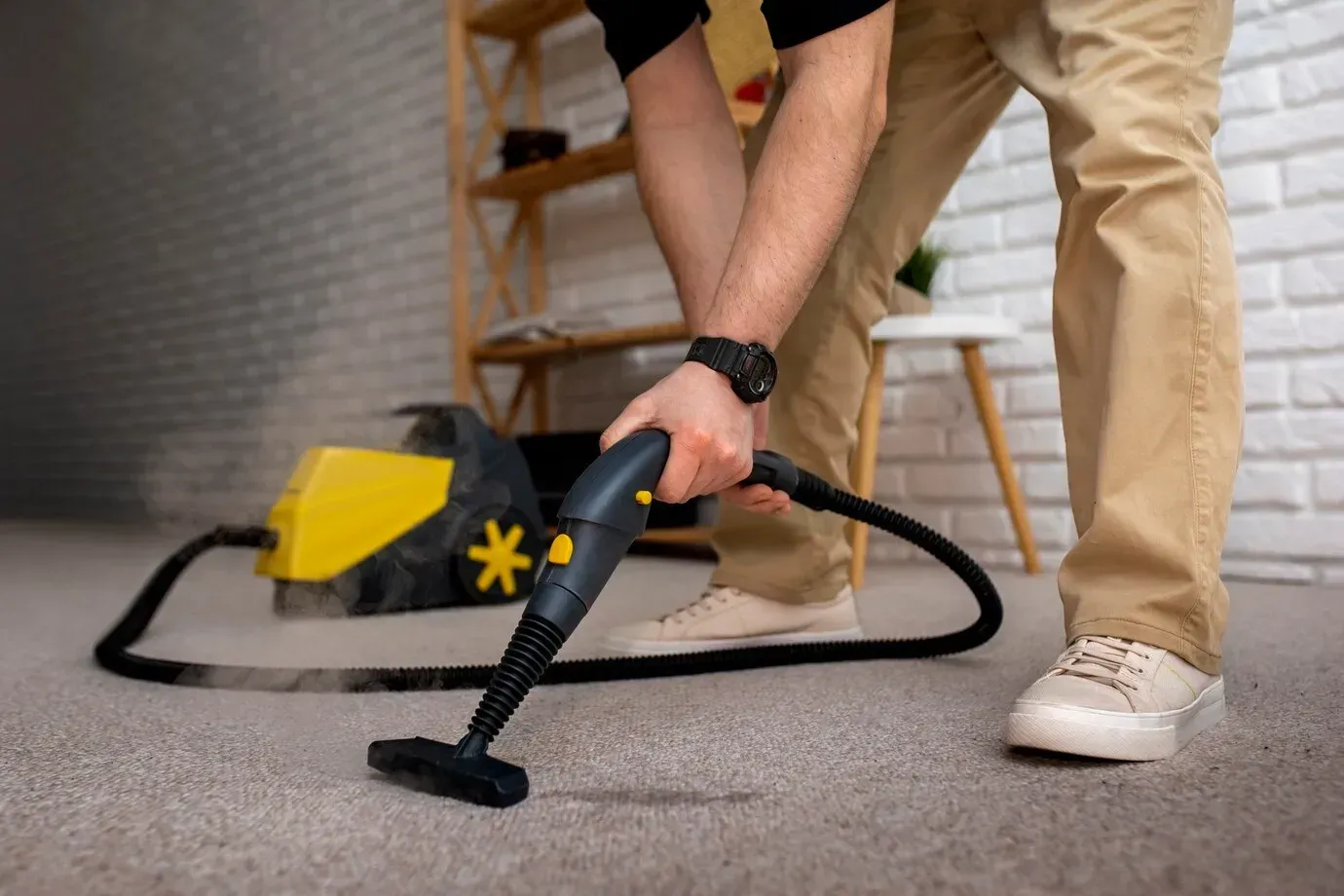
Even after visible water is removed, moisture can remain hidden in walls, floors, and insulation. Using high-powered fans, air movers, and dehumidifiers is essential. This step may take several days, but it’s critical to prevent mold growth and ensure your home is truly dry. Moisture meters and infrared cameras can detect wet spots that aren’t visible to the eye.
Step 5: Cleaning and Sanitizing
Floodwater often carries bacteria, chemicals, and debris. Everything that came into contact with the water needs to be cleaned and disinfected. This includes walls, floors, and any salvageable belongings. In cases of contaminated water (like sewage backups), a deeper level of sanitization is required. Professionals use antimicrobial treatments to ensure your home is safe and healthy.
Step 6: Remove and Replace Damaged Materials
Not everything can be saved after a flood. Porous materials like drywall, carpet padding, insulation, and some furniture may need to be removed and replaced. If mold has started to grow, materials must be completely removed to stop its spread. Rebuilding may involve new drywall, flooring, or even structural repairs, depending on the extent of the damage.
Step 7: Final Inspection and Prevention Tips
Once cleanup and flood restoration are complete, a final inspection ensures everything is dry, safe, and back to normal. It's also a good time to take preventive steps for the future. Install sump pumps, elevate appliances, seal foundation cracks, and keep gutters clean. Knowing you’ve taken steps to reduce the risk of another flood brings valuable peace of mind.
How VacTech Carpet & Upholstery Cleaning Services Can Help You
Flood damage restoration in Post Falls is not something you want to face alone. VacTech Carpet & Upholstery Cleaning Services is here to support you from the first call to the final walkthrough. Our team understands how stressful this time can be, and we're committed to making the process as smooth and efficient as possible. We provide emergency water extraction, deep cleaning, mold prevention, and reconstruction support so you can get back to normal sooner.
Why Choose VacTech Carpet & Upholstery Cleaning Services
- Locally owned and operated, with strong roots in the Post Falls, WA community
- Certified, experienced technicians who treat your home with care
- Fast, 24-hour emergency response when you need us most
- Eco-friendly cleaning solutions safe for kids and pets
- Transparent pricing with no hidden fees
- A+ BBB rating and a reputation for trustworthy service
Conclusion
Flooding can be heartbreaking, but the recovery process doesn’t have to be. With a clear plan and the right team by your side, your home can be restored fully and safely. If you're facing water damage and need expert help with flood damage restoration in Post Falls, trust the professionals at VacTech Carpet & Upholstery Cleaning Services. We’re here to help you bounce back quickly, safely, and with less stress.
Frequently Asked Questions
How soon should I start flood damage restoration after water enters my home?
You should begin restoration within the first 24 to 48 hours if possible. The faster you act, the less chance mold has to grow, and the more items you may be able to save. Waiting too long can lead to more serious structural and health issues.
Can I clean up flood damage on my own?
You can start the process by removing water and drying out spaces, but full restoration often requires professional tools and expertise. Professionals have industrial dryers, moisture meters, and disinfectants that help ensure your home is completely dry and safe. They also know how to identify hidden damage that may not be visible.
Will my homeowner's insurance cover the cost of restoration?
That depends on the cause of the flood and the terms of your policy. Many standard homeowner’s policies do not cover flood damage unless you have specific flood insurance. Contact your insurance company early and provide detailed documentation to support your claim.
How do I know if mold is growing after a flood?
Signs of mold include musty smells, visible growth on walls or ceilings, and increased allergy-like symptoms. Mold can begin growing within 24 to 72 hours of water exposure. A professional inspection can confirm if mold is present and determine the best treatment approach.
What makes VacTech different from other restoration companies?
VacTech is a veteran-owned, local company that puts quality and customer care first. Our team is trained, certified, and uses the best equipment available to ensure a complete restoration. We understand the specific needs of homes in Post Falls and bring a personal touch to every job we take on.